


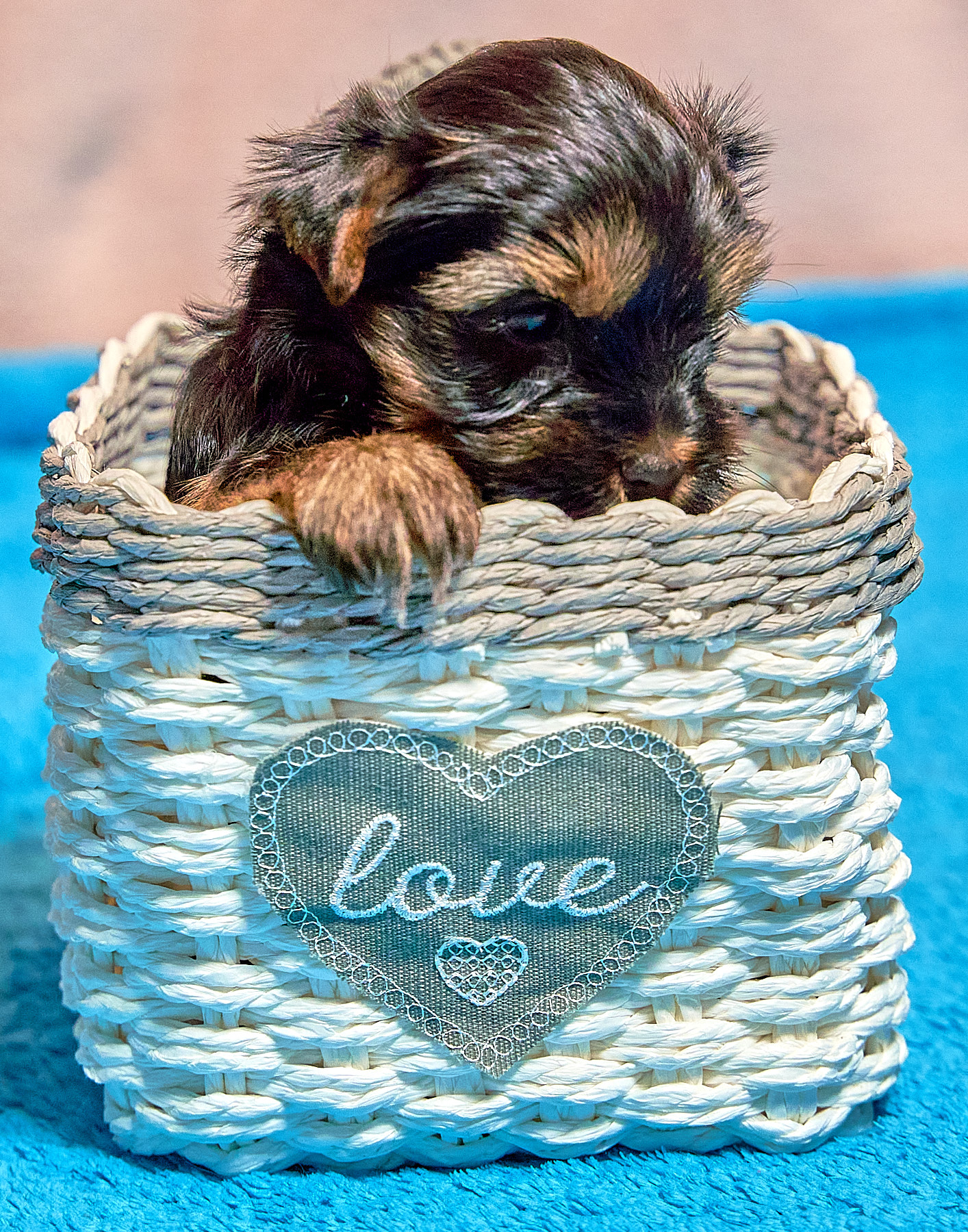
House training is one of the very first and most important stages of raising a puppy. For a young dog, everything is new, which is why calmness, patience and consistency from the owner are the key to success. The right approach allows learning to take place without stress, helping the puppy quickly understand household rules.
Understanding Your Puppy’s Needs
A puppy is not born with the ability to control its physiological needs. Its bladder is still very small, which means accidents may happen frequently and irregularly. This is a natural stage of development that requires understanding. Observing your puppy and recognizing the moments when it most often needs to go out — after waking up, eating or playing — makes house training much easier.
A Consistent Routine and Regularity
One of the most effective ways to teach cleanliness is to establish a consistent daily routine. Regular times for meals, sleep and walks help the puppy understand when and where it is allowed to relieve itself. Taking the dog out at the same times each day reduces the number of accidents and gives clear signals about what is expected.
Learning Without Punishment or Stress
Punishing a puppy for accidents is one of the most common mistakes. Shouting, anger or punishment can cause fear and damage trust, without speeding up the learning process. Instead, calmly clean up and focus on rewarding correct behavior. Praise, a calm voice or a small treat clearly show the puppy that it did the right thing.
Training Pads and Learning at Home
In the first weeks of life — especially before the vaccination schedule is complete — training pads can be very helpful. Choose one designated spot and consistently guide your puppy to it. Over time, as the puppy starts going outside more often, the pads can be gradually eliminated, teaching the dog to relieve itself outdoors.
Patience and Observing Progress
Every dog learns at its own pace. Some puppies understand the rules quickly, while others need more time. It’s important not to compare your puppy to others or become discouraged by temporary setbacks. Regularly observing progress allows you to adjust your methods to your puppy’s needs and maintain a calm, positive approach.
House training is a process that requires time, consistency and understanding. Calm methods, clear rules and positive reinforcement help your puppy quickly learn household routines and feel safe. This is one of the first steps in building a relationship based on trust — one that will last throughout your life together.